

Desert Trees of Arizona
Discover the best trees for your Valley landscape. Built for heat, beauty, and resilience.
Why Choose Native Desert Trees?
Arizona's climate is unique, and choosing trees that have evolved to thrive here is the smartest way to build a sustainable, low-maintenance landscape. Native desert trees are naturally drought-tolerant, provide essential habitat for local wildlife, and offer a unique aesthetic that perfectly complements our desert environment.
Water Efficient
Native trees require significantly less water once established, saving you money and protecting our resources.
Heat Resilient
Built to withstand 110°+ temperatures and intense Arizona sun without stress or leaf burn.
Low Maintenance
Naturally resistant to local pests and diseases, requiring fewer chemical treatments and less intervention.
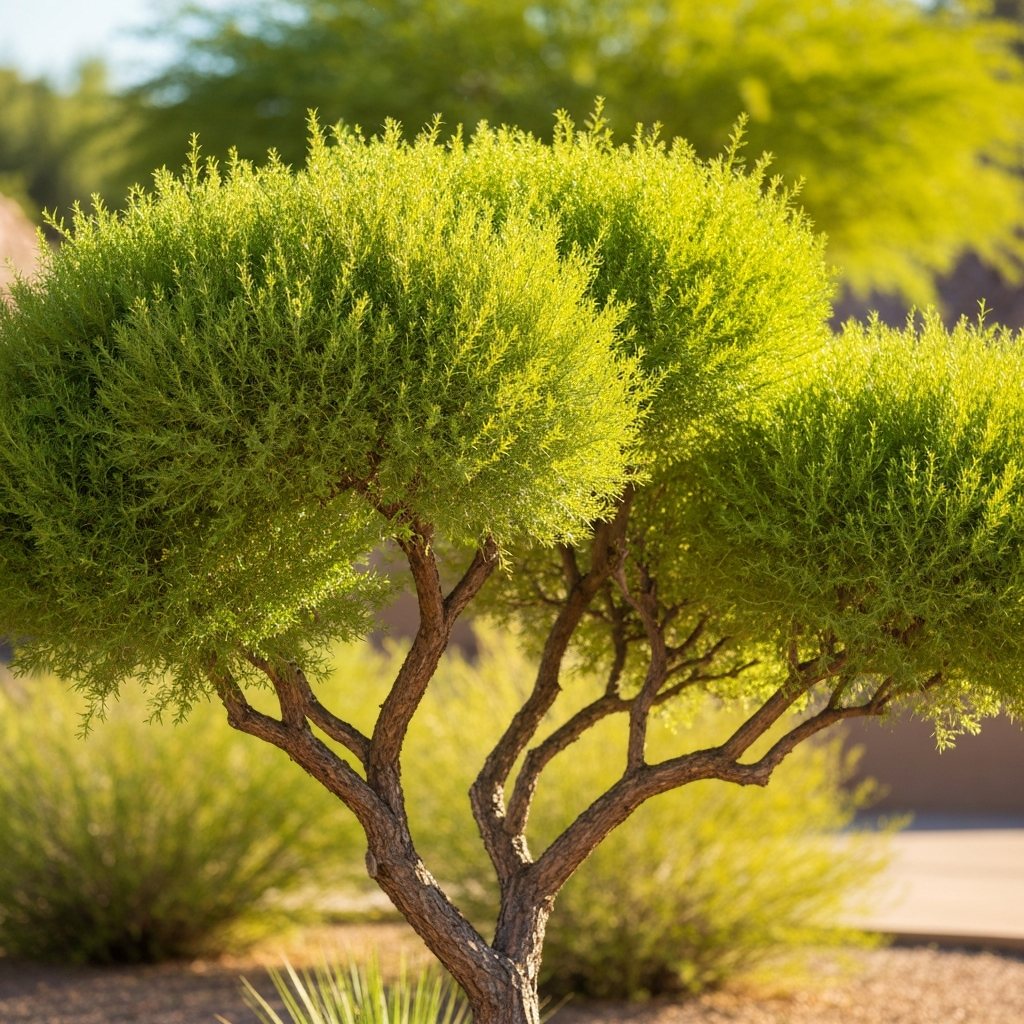
Blue Palo Verde
Parkinsonia floridum
The state tree of Arizona, known for its striking blue-green bark and vibrant yellow spring flowers. It provides a light, filtered shade that is perfect for desert gardens.
Requires very little water once established. Prune in late spring after flowering to maintain shape.
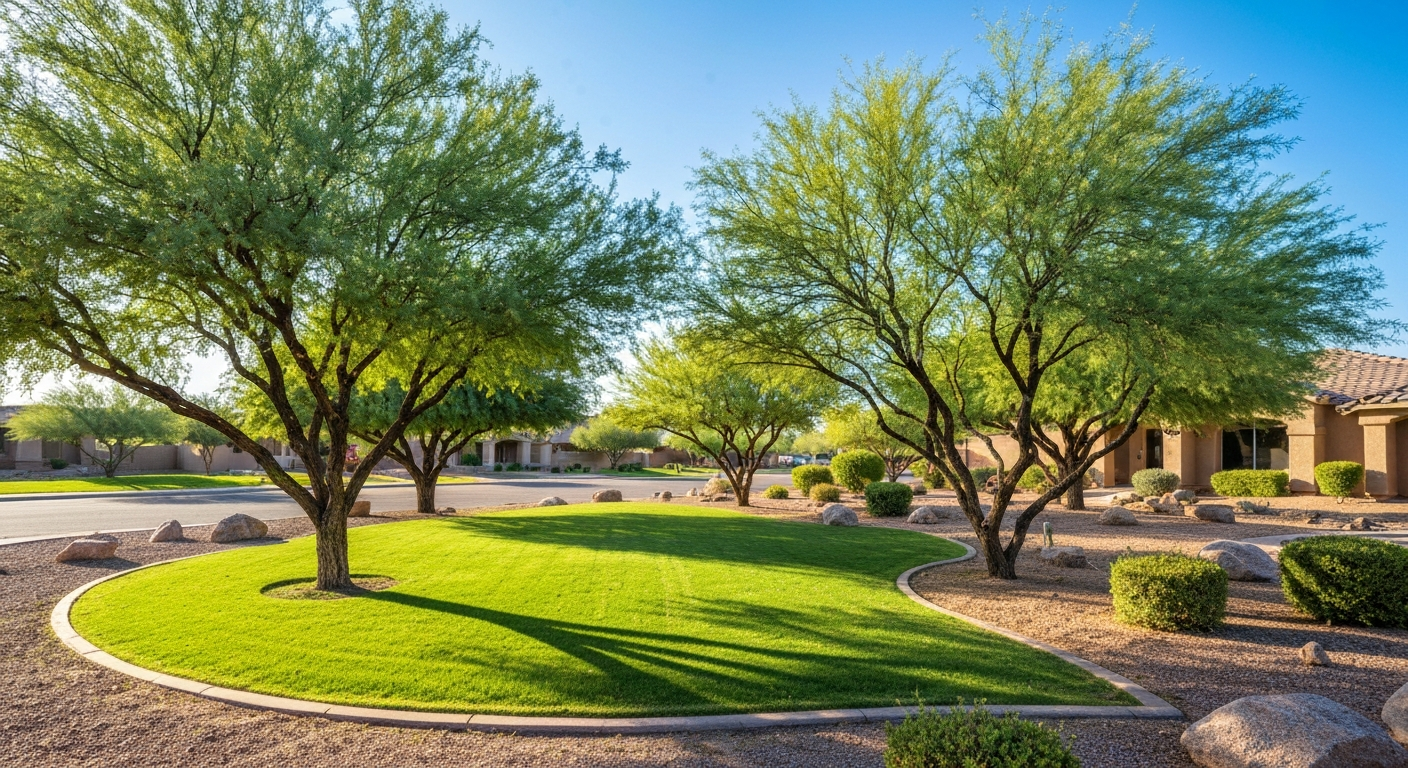
Velvet Mesquite
Prosopis velutina
A classic Arizona native that provides a dense, cooling canopy. Its rough, dark bark and architectural branching make it a focal point in any landscape.
Deeply drought tolerant. Avoid over-watering to prevent weak wood and aggressive root growth.

Desert Ironwood
Olneya tesota
One of the longest-lived and most resilient trees in the Sonoran Desert. It features beautiful lavender-pink flowers and incredibly dense, heavy wood.
Slow growing but practically indestructible once established. Protect from extreme frost when young.
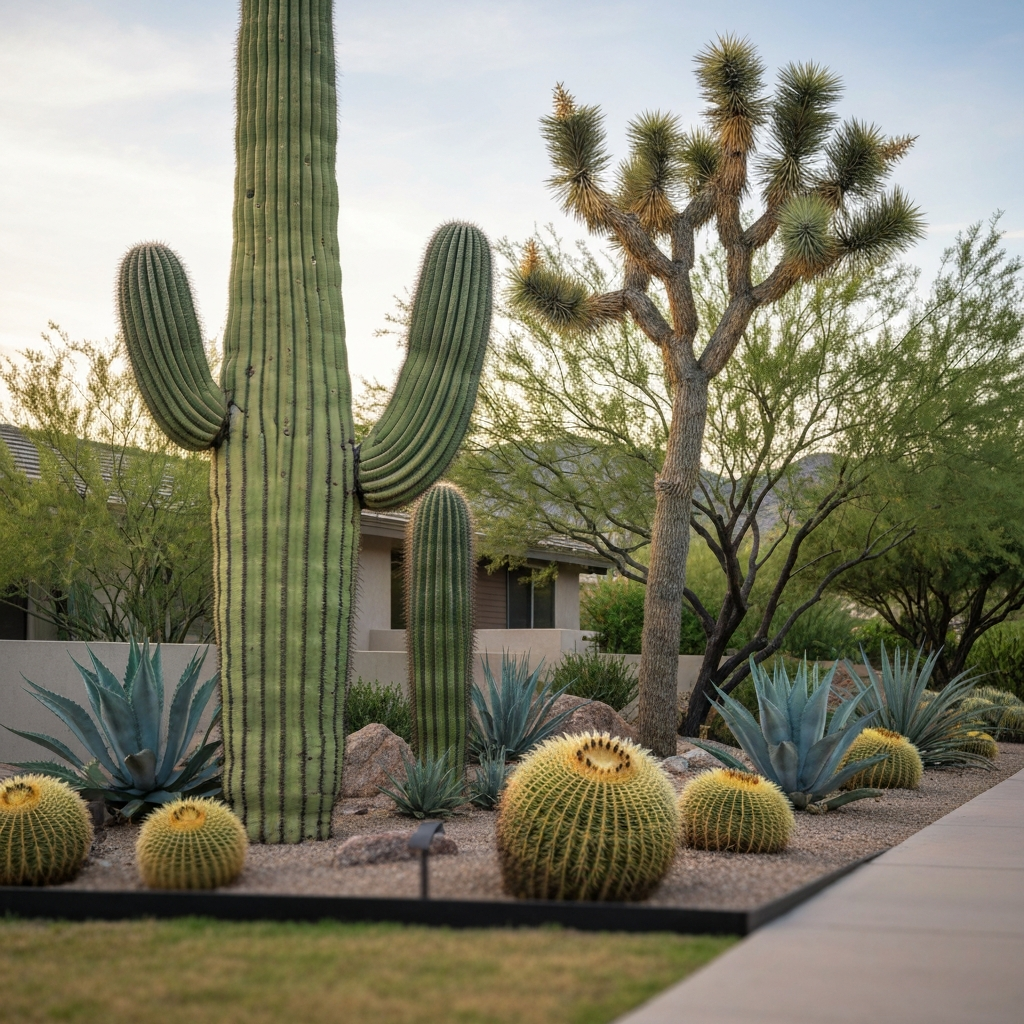
Desert Willow
Chilopsis linearis
Not a true willow, but named for its slender leaves. It produces stunning orchid-like blooms from spring through fall that attract hummingbirds.
Moderate water needs compared to other desert natives. Prune in winter to encourage more blooms next season.
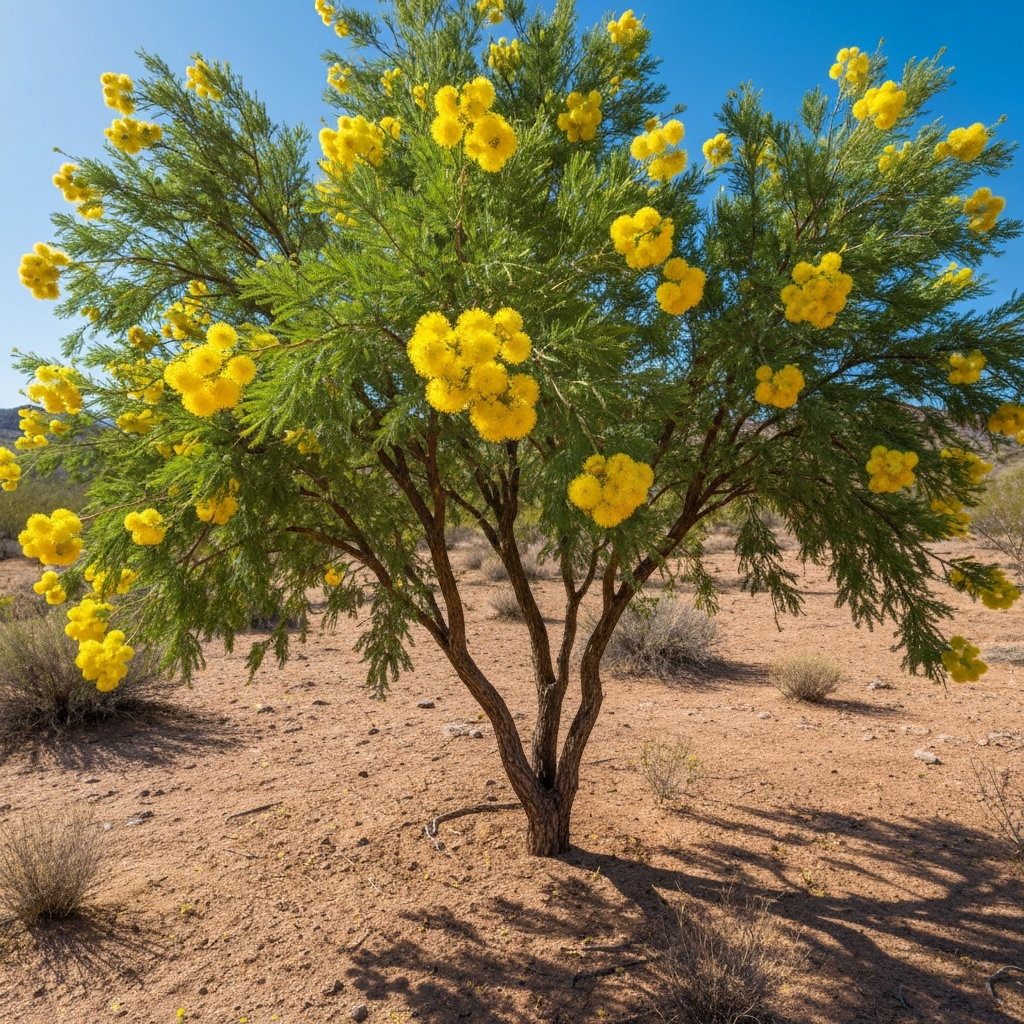
Sweet Acacia
Vachellia farnesiana
Valued for its highly fragrant, golden-yellow puffball flowers and delicate, feathery foliage. It creates a beautiful small-to-medium sized canopy.
Very heat tolerant. Needs well-drained soil. Occasional deep watering during extreme summer heat.
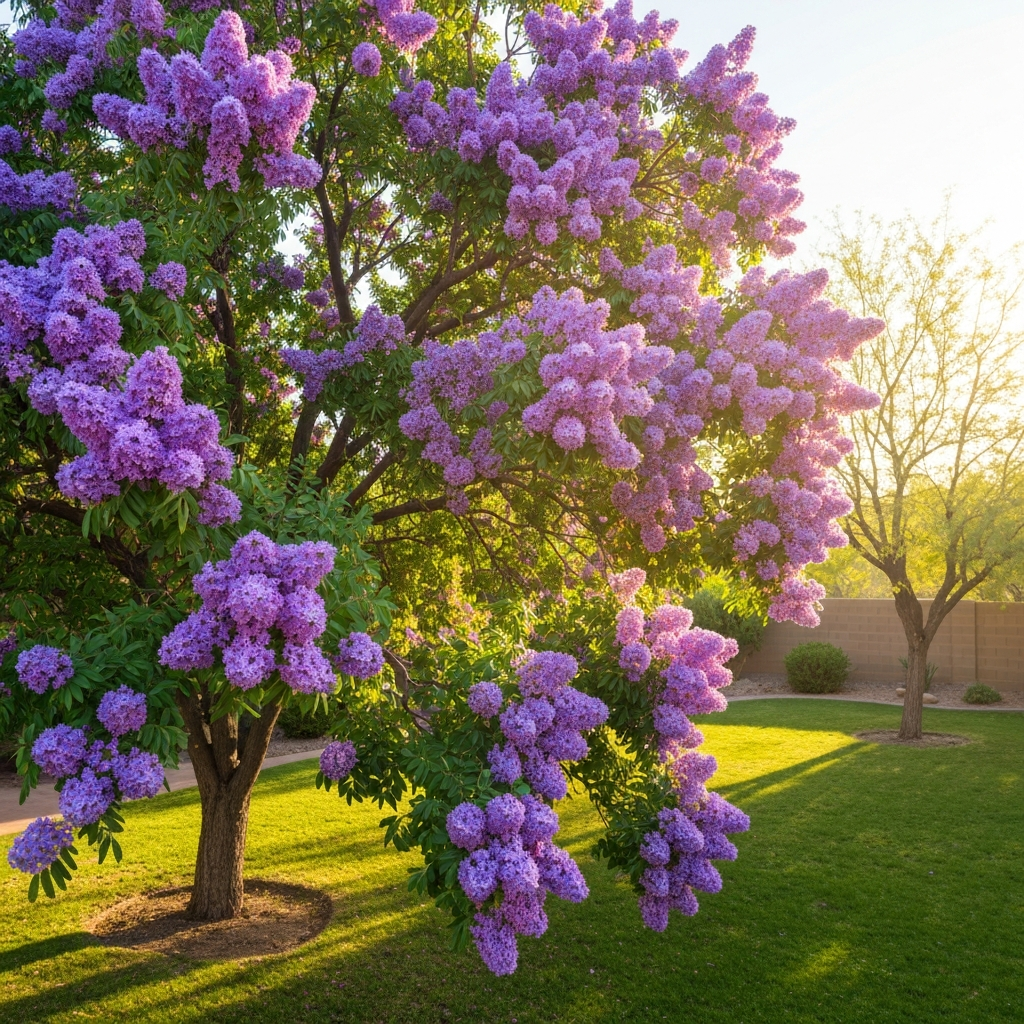
Texas Mountain Laurel
Sophora secundiflora
A slow-growing evergreen that produces massive clusters of purple flowers that smell exactly like grape soda in the early spring.
Drought tolerant and loves full sun. Requires minimal pruning. Note: Seeds are toxic if ingested.
Desert Tree Care Guide
Even the most resilient trees need a little help to get started. Follow these expert tips from our arborists to ensure your desert trees thrive for decades.
Deep Watering
Instead of frequent light watering, give your trees a deep soak once or twice a week (depending on the season). This encourages roots to grow deep where the soil stays cooler.
Mulching
Apply a 3-4 inch layer of organic mulch around the base of the tree (but not touching the trunk). This helps retain moisture and regulates soil temperature.
Structural Pruning
Prune young trees to establish a strong central leader and remove crossing branches. This prevents storm damage as the tree matures.
Watch the Bark
Young desert trees can get sunscalded. Consider using a tree wrap or trunk paint on the south-west side for the first few summers.
Expert Tip
"Native trees like Palo Verde and Mesquite actually prefer our alkaline soil. Avoid adding too many soil amendments that change the pH."
Need Help With Your Desert Trees?
From expert planting advice to precision trimming and health assessments, our certified arborists are here to help your landscape thrive.